Auld Lang Syne
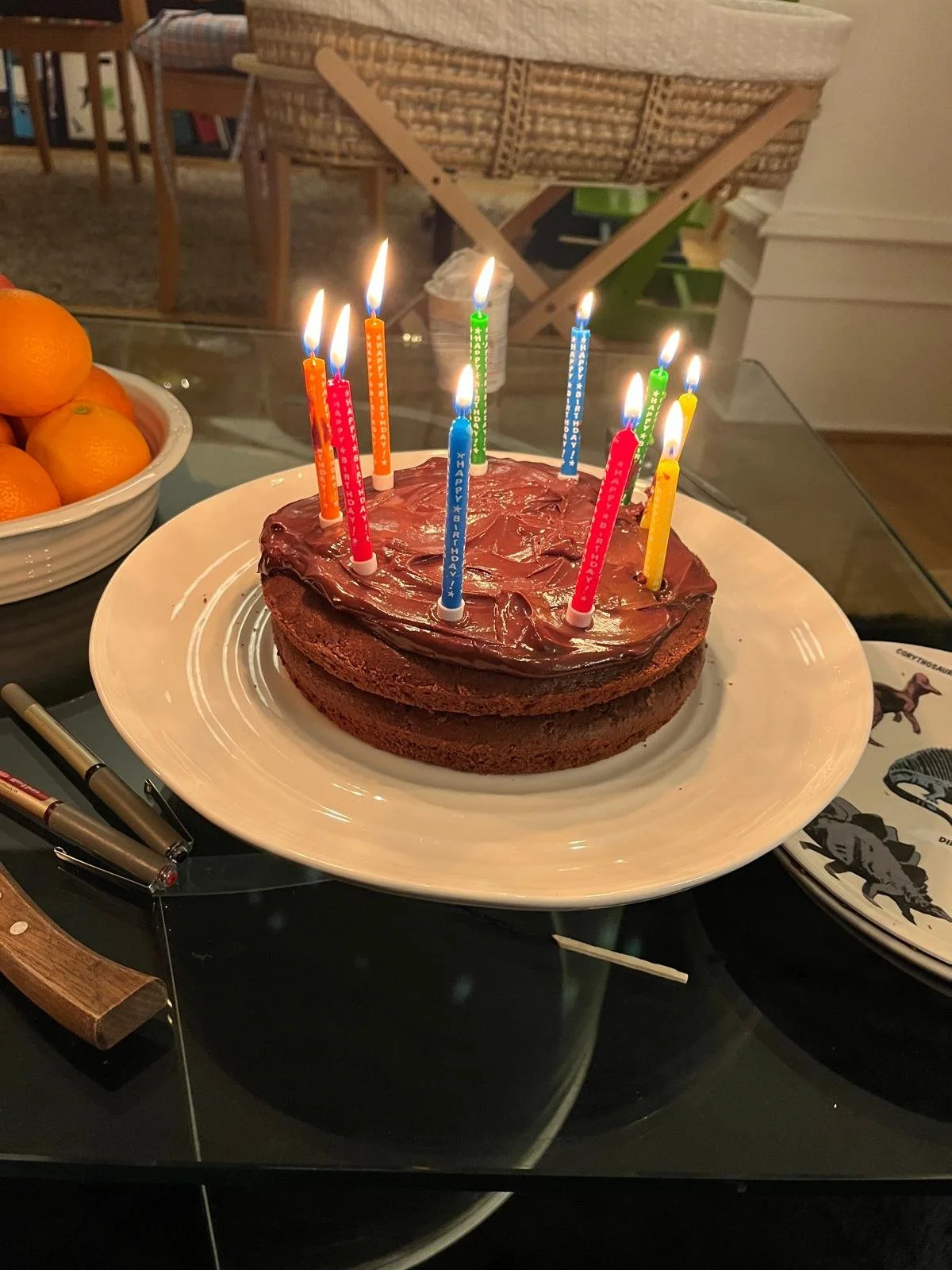
/Blessed as I am to have a January birthday (and even better, to share it with my hero, Buffy the Vampire Slayer), the grimmest month in the Northern Hemisphere is a little easier for me. Apart from the presents and an excuse to restart my failed new year’s resolutions (after consuming a hefty dose of birthday cake), it’s an excuse for friends to get in touch and send a message of love. A day which was once painful for me, has become a highlight.
With a few decades under my belt I have the benefit of the longview. I can see my attitude change over time and am particularly struck at my evolving perspective on friendship. For a long period of time, perhaps the entirety of my school years, I viewed friendship as a function of proximity. Friendship was seeing someone everyday and spending time together. What then in the summer holidays when playdates were few and far between? Were we friends then? Yes, of course. But I don’t think I regarded it as true friendship. Like Schrödinger’s cat, our friendship was both alive and dead in the absence of direct interaction.
This view may have persisted into university, but was largely overshadowed by the toad of work. As some high-school perfectionists do, I tried to keep up a pattern of over-achievement to the exclusion of other things in life. Friendships as a medical student were tinged with stress and competition:
‘Have you done the reading on intervertebral discs yet? You have? Oh great!’
Such an conversation would promptly be followed by a dash to my room, a cry into my pillow and then a twelve hour slog reading up about the different constituents of the spine. I spent a lot of time in my room during university.
Similarly, in the post-uni, early-work years, a gamut of different hospital rotations meant fleeting interactions. However, the crucible atmosphere of those first few years as a doctor made for intense connections. When the bedrock of a friendship is shared experiences of a ward death, something gritty but diamond-hard forms between two people.
With such formative relationships, I have always felt embarrassed at a perceived lack of involvement in the lives of my friends. I think my early view of friendship - something where you see each other physically and regularly, was the standard I held on to for so long. Maybe the TV series Friends is to blame but anything other than falling into each other’s apartments in Greenwich Village, fell short.
But the years have disavowed me of this simplistic view. People live in different places and lead busy lives. They have commitments and careers and children, all of which absorb the mainstay of attention. But that is not to say that a friendship that crosses continents with a voice message or crystallises into a heartfelt call every birthday, is an inferior version of the schoolyard annunciation of ‘you’re my best friend.’
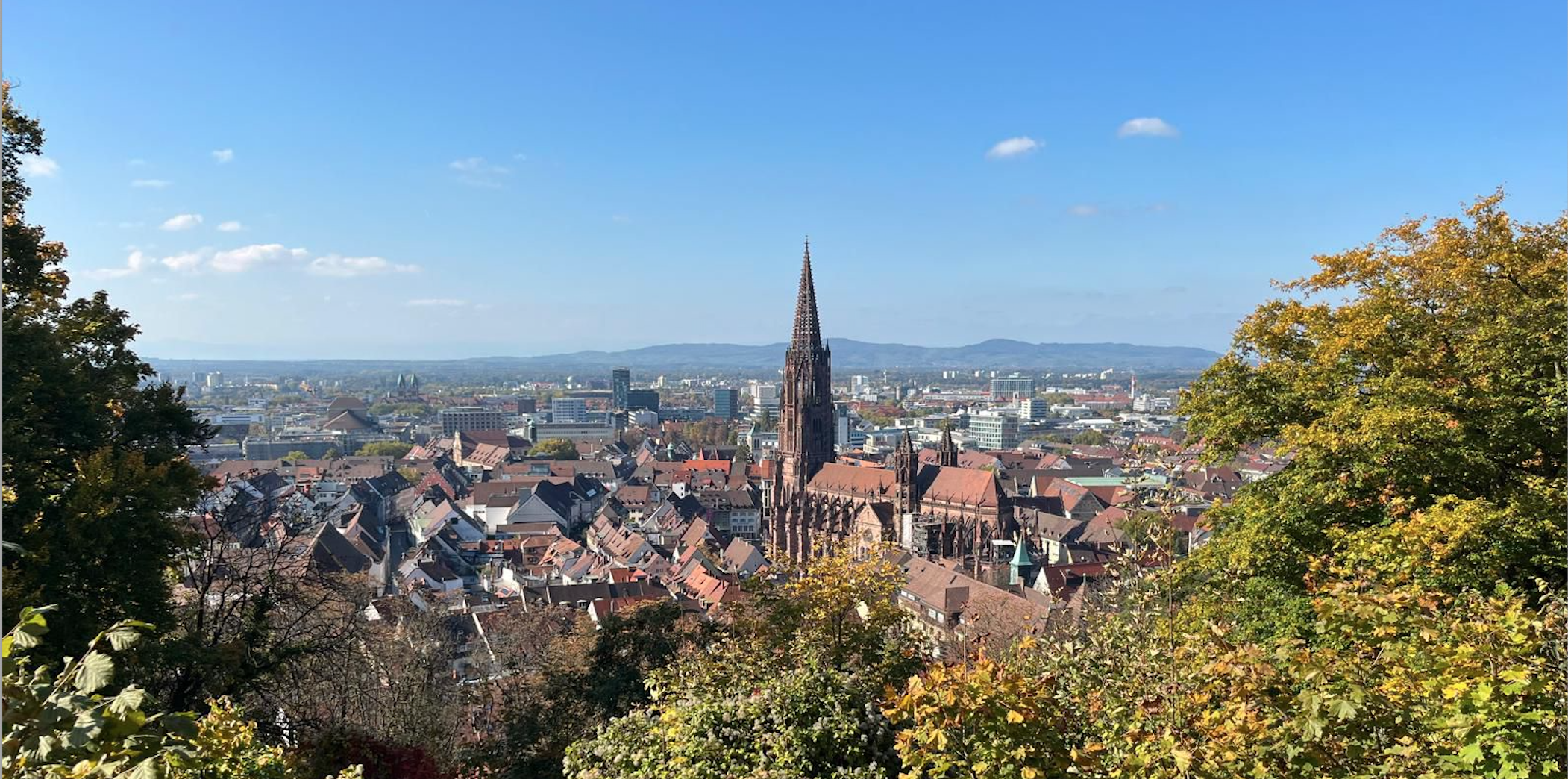
Since moving to Switzerland I have felt the importance of my friendships. They span every era of my life. Just this week I received a voice note from my childhood best friend, who made me giggle in the same way she did in the hours we would spend on the phone each night after school. My birthday also heralded many texts from uni friends who I haven’t seen in years, but their tone was such as if it felt we’d only seen each other last week. Gritty diamond friends phoned me in between medical shifts and more recent connections from baby groups also took the time to wish me well.
Now that I am starting a new circle in Switzerland, I realise how well supported I am by an international web of friends. It has made this settling-in phase less lonely than I expected and I cherish the relationships I have in exactly the format they are currently in. As I age, I know there is only more connection to come and for that I am so grateful.
It makes sense then to end this reflection on the value of friendship with the most notable poem on the subject, which is incidentally written by another January birthday baby: Robert Burns.
‘Should auld acquaintance be forgot
And never brought to mind?
Should auld acquaintance be forgot
In the days of auld lang syne.’